Close

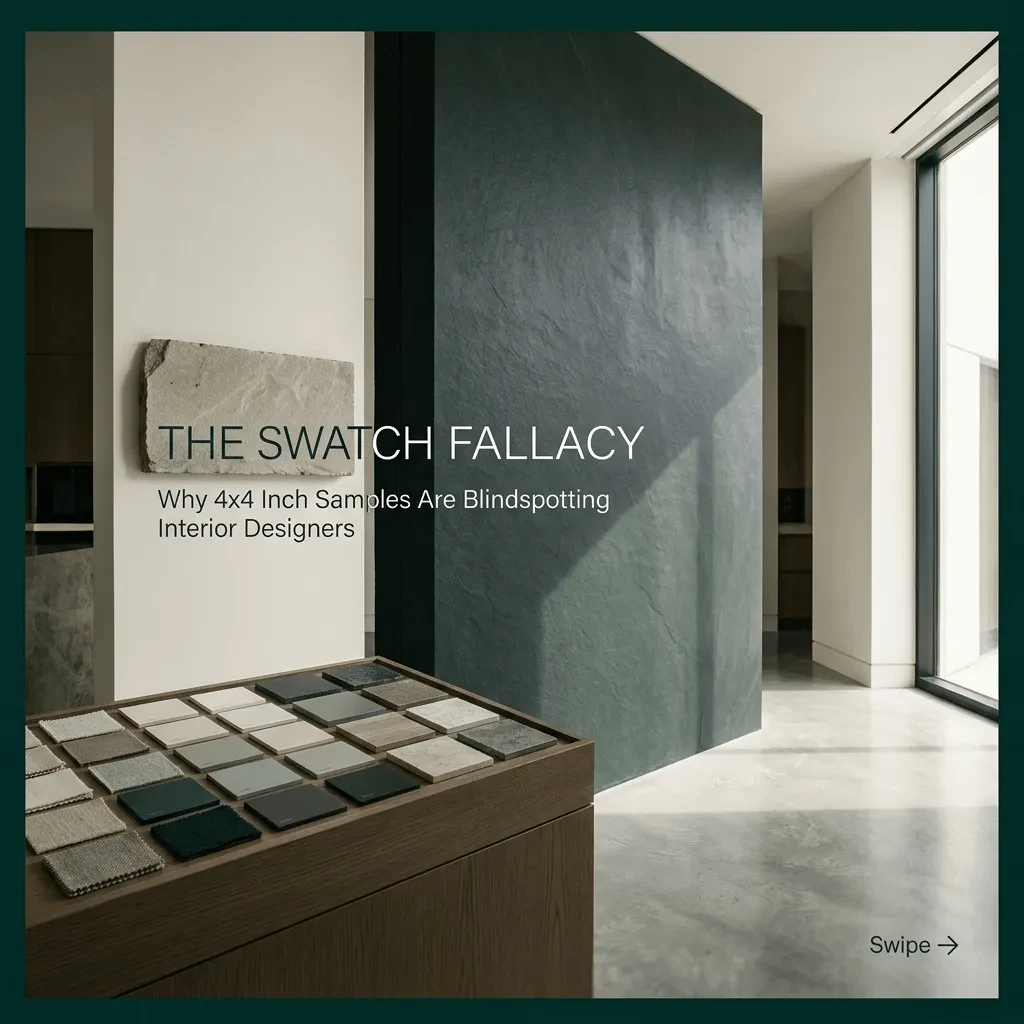
Approving a high-end interior project from a 4×4 inch sample tile is the fastest path to unmitigated design variance. What looks perfectly uniform on a handheld chip often behaves dramatically differently across expansive vertical cabinetry.

We frequently analyze how swatch vs full sheet variance impacts site execution. When specifying decorative finishes, small samples blindspot critical spatial realities. Subtle grain shifts, unexpected phenolic core ghosting under ambient daylight, and edge banding telegraphing only reveal themselves at scale. Evaluating seam jointing without assessing PUR vs EVA gluing methods across full sheets creates unexpected friction during final assembly.

True material leadership requires evaluating panel dynamics at true scale. At Swot LLP, our vision focuses on becoming India’s foremost destination for ultra-premium, globally sourced materials. By specifying acrylic laminates that resist scratches, moisture, and fading, or integrating thermo laminates manufactured using advanced heat-molding technology, design teams eliminate optical surprises before the first CNC cut.

How does your studio validate large-format surface materials prior to final site sign-off?
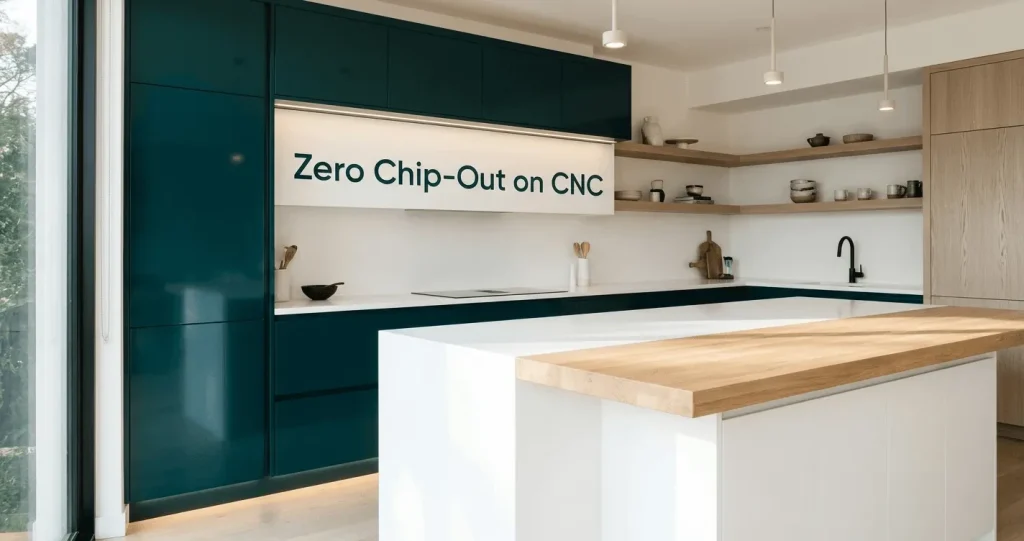
Nothing ruins a custom interior faster than micro-chipping along a newly routed edge.

You spend hours calibrating a project, only to face an unexpected chip-out on a CNC cut right at the finish line. While acrylic laminates resist scratches, moisture, and fading exceptionally well, achieving razor-sharp perimeter edges requires aligning tool bit geometry directly with surface density.

Controlling heat accumulation and mechanical chatter during high-speed passes makes all the difference. Utilizing downward spiral solid carbide bits compresses the surface layer down into the core, securing delicate face materials against top-edge fracture before edge banding even begins. Slowing pass acceleration while maintaining smooth material feed prevents micro-cracks along tight radii.

How does your fabrication team dial in routing parameters for high-gloss surface panels? Share your workshop setup tips in the comments.

Why do so many high-traffic commercial panels suffer delamination at seam points after heavy daily exposure?

In high-touch environments, surface performance isn’t just about initial swatch aesthetics. Standard specs often face hidden stress. Over time, moisture intrusion, edge banding telegraphing, and adhesive breakdown turn clean lines into costly maintenance headaches. When specifying materials for busy architectural hubs, understanding PUR vs EVA gluing becomes just as vital as your overall HPL vs LPL specification decisions.

EVA glues can re-melt under extreme heat and absorb ambient humidity, causing subtle seam lifting. In contrast, polyurethane (PUR) bonding forms an irreversible chemical bond that seals moisture out completely. Pairing advanced edge bonding with specialized materials like decorative louvers—which actively enhance interior airflow and acoustics—ensures structural integrity and visual elegance across years of heavy continuous use.

What edge bonding standards are you currently specifying for your commercial projects?